 Atelier
Every wall has a draft
before it has a story.
Five years of material research, studio interviews, and preservation data — compiled into one annual document for practitioners who build with memory.
of new residential commissions in 2025 specified at least one reclaimed or heritage material — up from 41% in 2021.
The terrazzo revival is no longer a revival — it is the baseline.
Specification data pulled from 847 completed projects across six metropolitan markets confirms what designers have sensed for two years: terrazzo has crossed from trend into expectation. Clients no longer request it as a statement; they request alternatives when it is absent. The question for 2026 is whether supply chains can honour the demand for site-mixed, aggregate-selected installations over factory-pressed sheets.
Lime plaster tells the more surprising story. Specification rates climbed 52% year-on-year — the steepest single-material increase in our dataset — driven by a convergence of passive-house hygroscopics, Instagram-legible texture, and a generation of plasterers who trained in Italian restoration workshops and returned looking for domestic commissions.
Specification frequency by material, 2025
Source: Atelier specification survey, n = 847 completed projects, 2025
The craftspeople who trained in Italian workshops came home not to restore churches but to plaster the dining rooms of architects who had never touched a trowel.
— Elena Marchetti, conservation plasterer, Bath
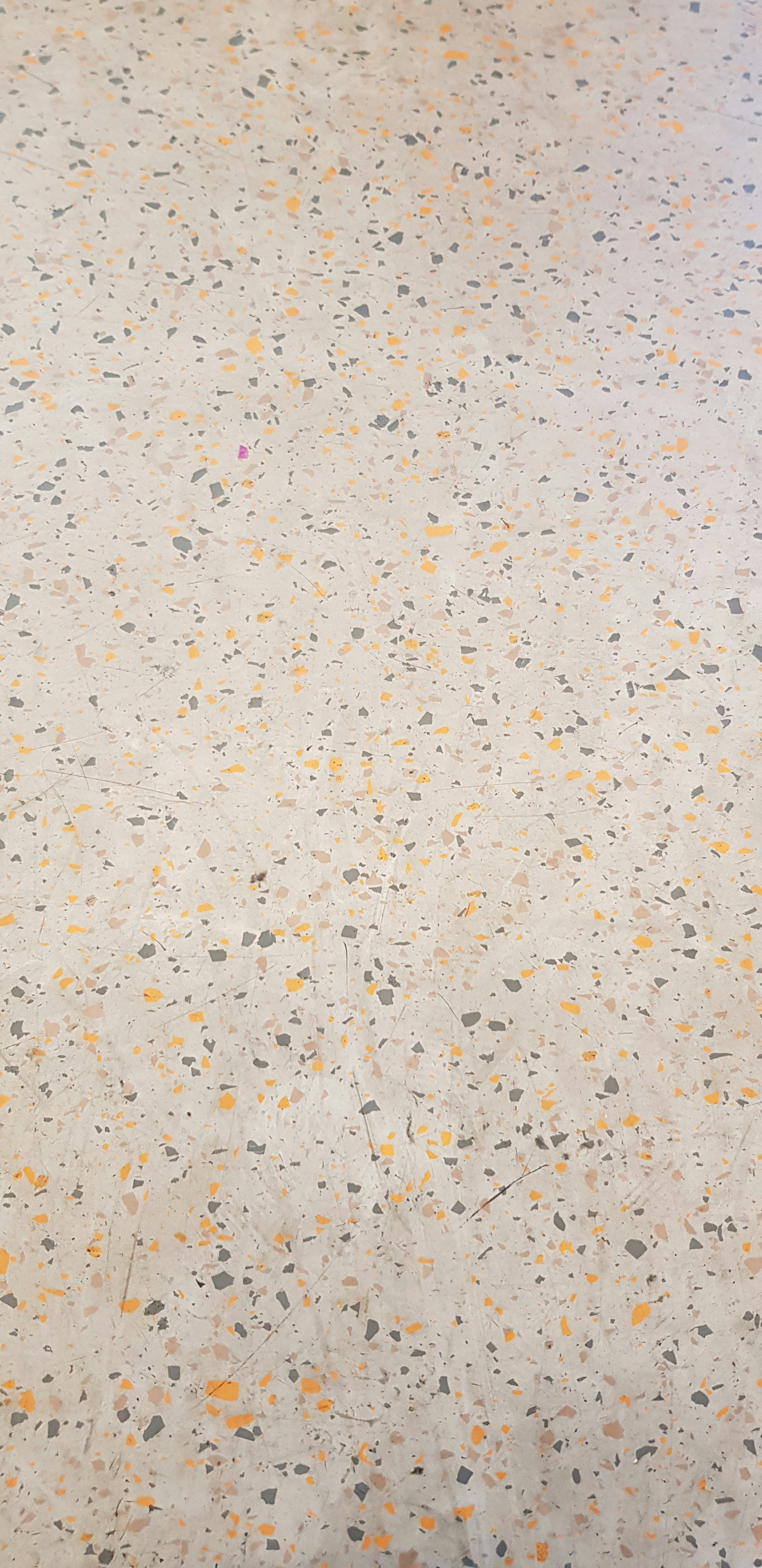
Site-mixed terrazzo, Brixton house renovation, 2025
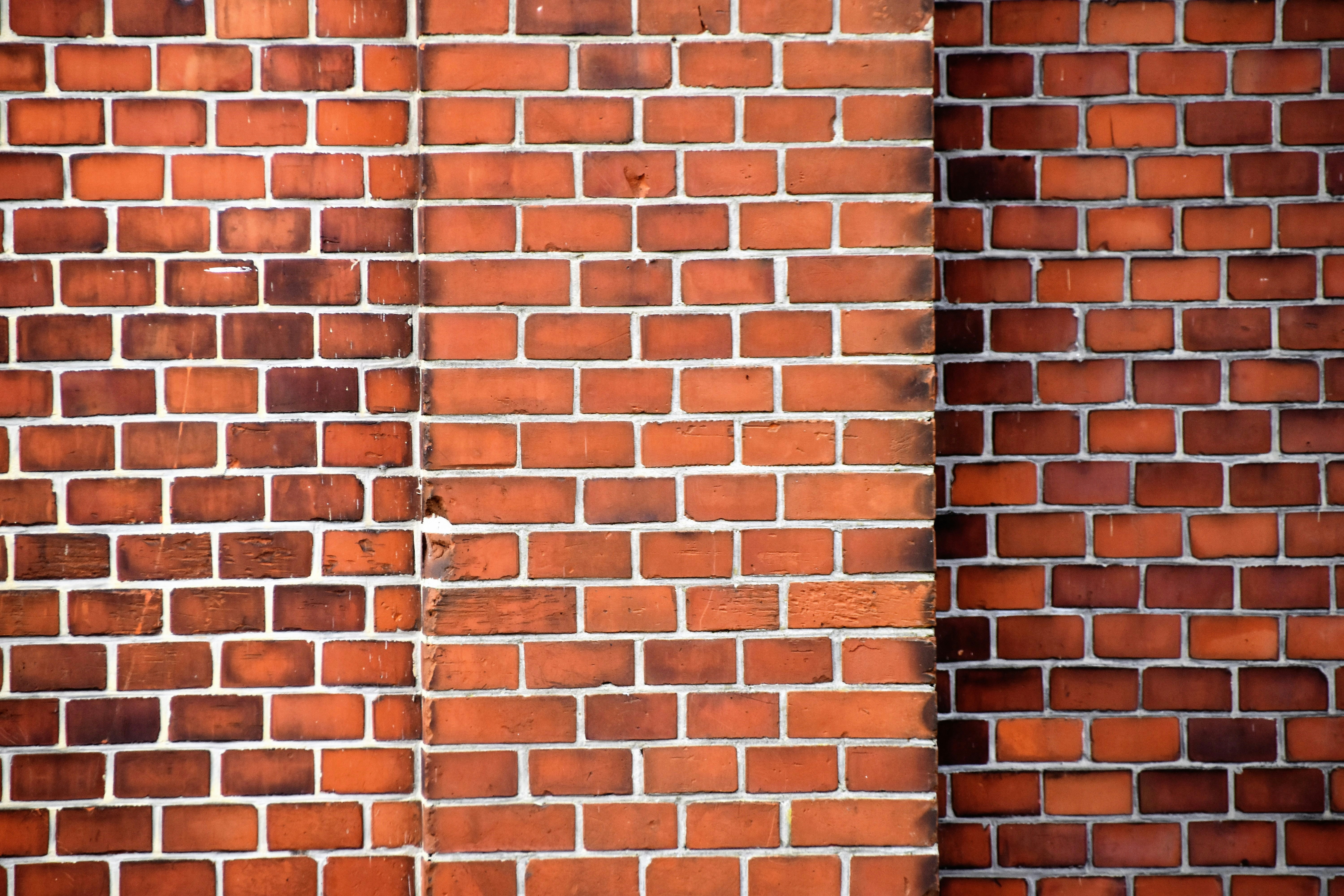
Reclaimed stock brick, Hackney extension, 2025

Hot-mixed lime plaster, Georgian terrace, Bath, 2024
Bookmark this chapter
· Get updates on Material Trendsestimated value of unrecorded original fabric removed from UK housing stock in 2025 — cornices, flagstones, shutters, and ironwork sold piecemeal or landfilled.
The attrition of original fabric is accelerating faster than listing designations can protect it.
Historic England's 2025 condition survey recorded a 12% increase in Grade II buildings assessed as "at risk" compared with 2022 — the largest three-year deterioration in the survey's history. The primary cause is not neglect but renovation: well-intentioned owners, poorly advised, removing original fabric in the belief it is damaged when it is merely aged.
Our survey of 312 conservation architects found that 71% had been called to a project after irreversible removal had already taken place — arriving not to advise but to document what was lost. The intervention point is moving upstream, into the moment a homeowner first notices something unusual behind the plasterboard.
Heritage renovation commissions per 100 planning applications
Source: Historic England planning portal extracts + Atelier analysis, 2019–2025
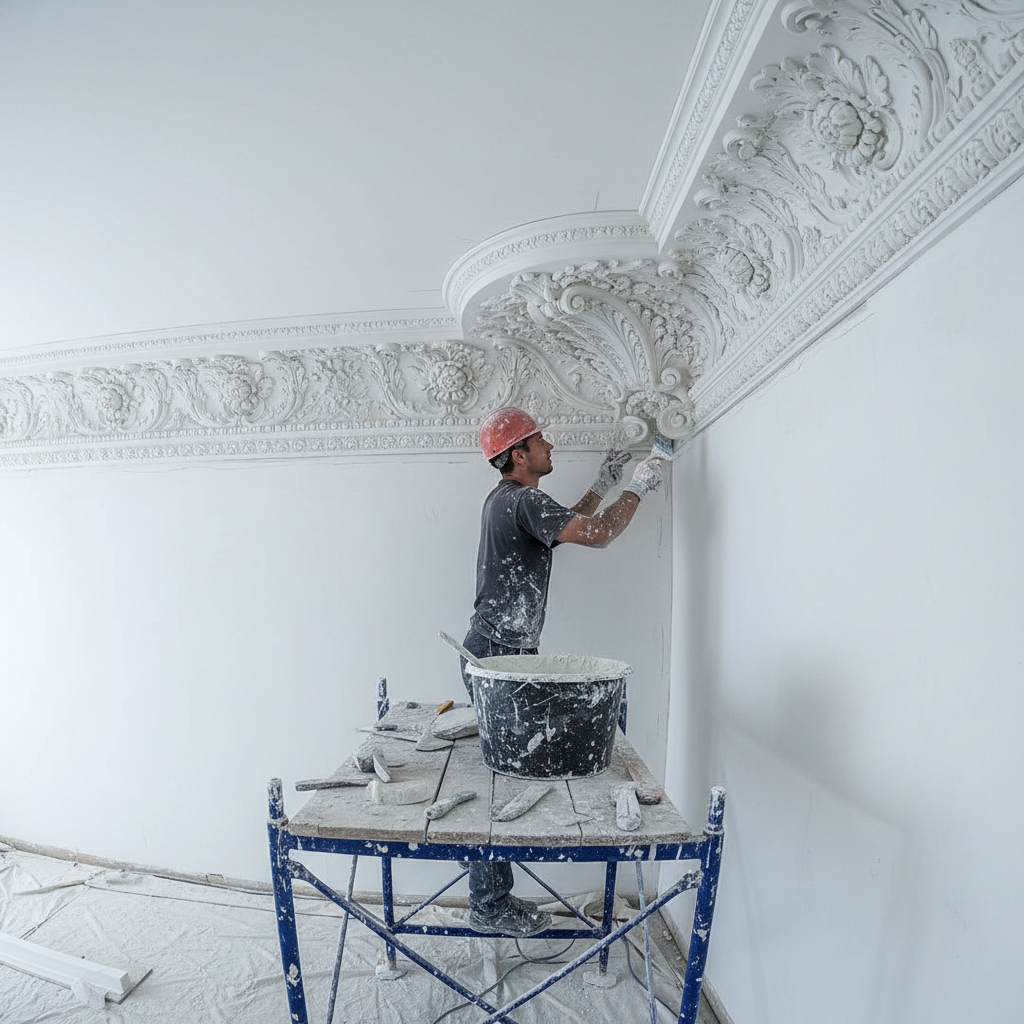
Original plasterwork cornice, Grade II terrace, Bath — recorded before removal, 2024
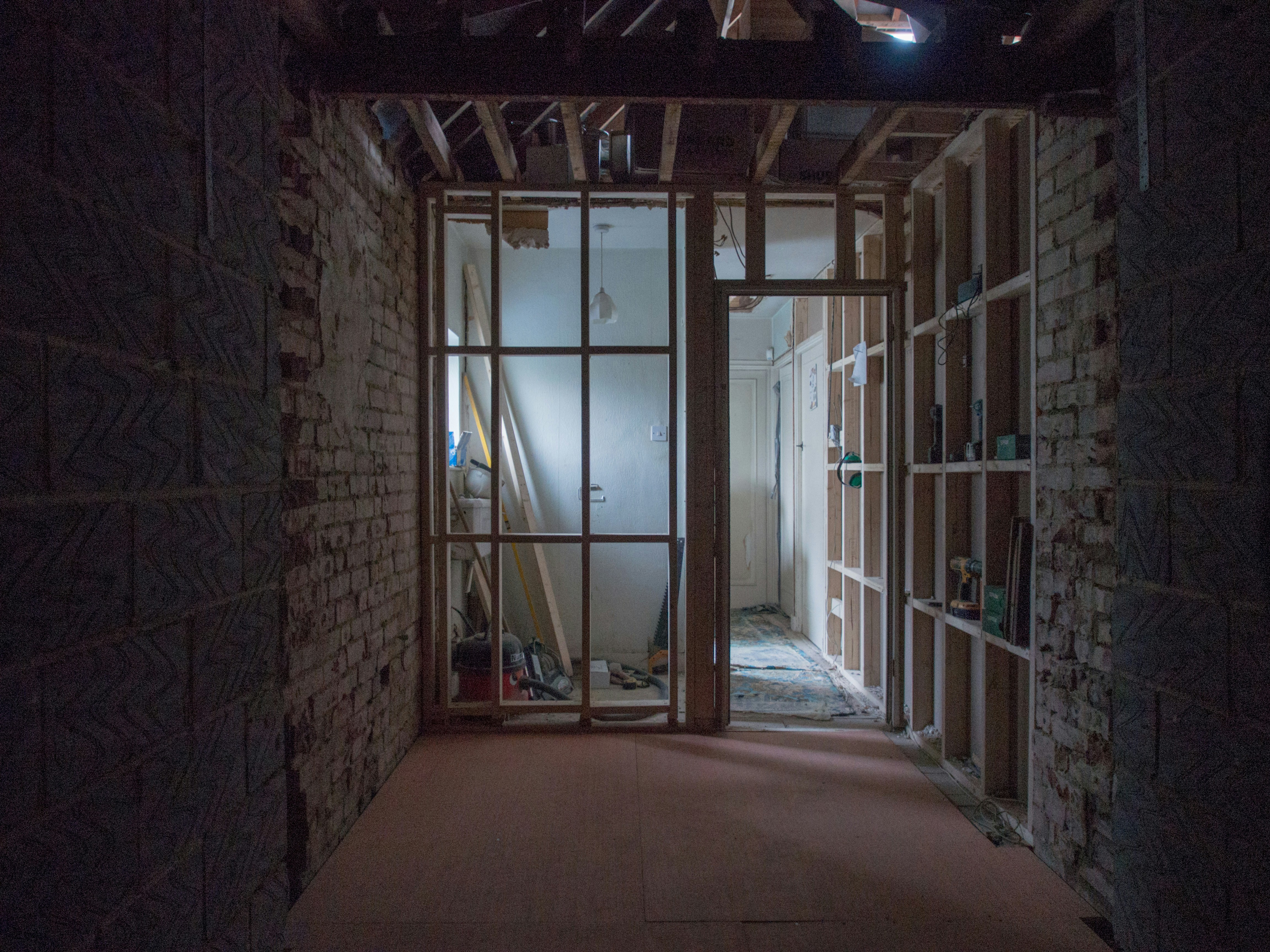
Post-survey restoration, Clerkenwell warehouse conversion, 2025
Bookmark this chapter
· Get updates on Preservation Datastudios profiled across eleven countries — each selected because their fee structure, material philosophy, and client communication offer a replicable model, not merely an admirable portfolio.
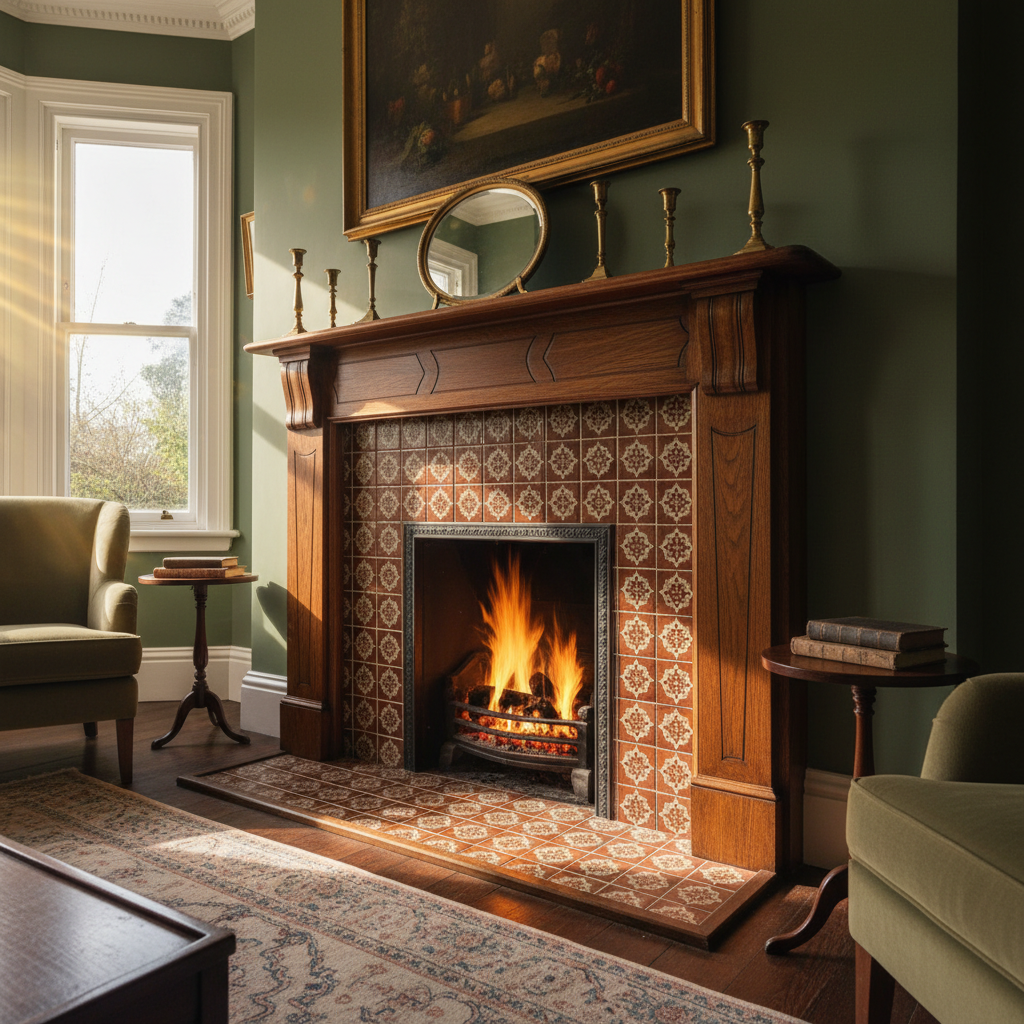
Cassidy & Brooke
Edinburgh, Scotland
34
projects
Victorian tenement restoration · Est. 2011
We never strip a building. We read it like a manuscript — every repair layer is a sentence about who lived there.
Fiona Cassidy, founding director
Full studio profile in the downloadable report
Read more →Bookmark this chapter
· Get updates on Studio Spotlightsmetropolitan markets indexed in depth — 933 projects, 14 material categories, and a heritage-density score calibrated to planning-authority data, not estate-agent postcodes.
Heritage density scores reveal that the most active restoration markets are not the wealthiest — they are the most legible.
Bath scores 99 out of 100 on our heritage-density index — not because it has more listed buildings per capita than London, but because the planning framework, specialist contractor base, and owner expectation have aligned into a coherent ecosystem. Clients arrive knowing what they have. The index measures that coherence, not just the raw count of protected structures.
Index methodology
Greater London
UK
Bath & Bristol
UK
Brooklyn / Lower Manhattan
USA
Amsterdam Grachtengordel
Netherlands
Seville Historic Centre
Spain
Melbourne Inner Suburbs
Australia
Bookmark this chapter
· Get updates on Regional Indexespractitioners and homeowners completed the 2025 Atelier reader census — the largest primary survey of heritage-renovation intent ever conducted outside an academic institution.
The survey does not flatter us — it shows us where we are failing the homeowner at the point of discovery.
Forty-one percent of homeowner respondents reported discovering original fabric — flagstones, cornicing, shutters, ironwork — during a renovation and having no reference point for identifying it. Of those, 67% removed it before seeking advice. The gap is not expertise; it is access. The information exists in academic papers and conservation practice notes that no homeowner is expected to find.
The full report includes the survey instrument, cross-tabulations by geography and role, and a methodology note audited by the University of Edinburgh School of Architecture. If you cite these numbers, you should have the source.
“I found original Edwardian encaustic tiles under three layers of lino because I read the Bath piece. Nothing else would have told me to look.”
Priya Mehta
Homeowner, Bristol
“The preservation data section is the only place I can find numbers that hold up in a heritage impact assessment. I quote it in reports.”
James Whitfield
Conservation Architect, Edinburgh
“My mood boards used to be screenshots. Now they're annotated with sourcing notes. The material trend data changed how I present to clients.”
Amara Osei
Interior Designer, Brooklyn
The data in this report belongs to the practitioners who answered the survey. We are returning it to you with analysis — and the full methodology so you can use it with confidence.
Get the Full Report — FreePDF download · Original photography · Source methodology · No paywall
The remaining 30%.
Original photography, source methodology, cross-tabulations by geography, and the complete studio profiles — everything we withheld to keep the page readable.
47 pages
83 photographs
12 data sets
23 studios
Get the Full Report
47 pages · 83 photographs · source methodology — free download